
When the Storm Passes: The Uncomfortable Truth About Loyalty
- Deon Pillay
- Jun 6
- 4 min read
There’s a peculiar moment that reveals character with brutal honesty. It’s not during the chaos, it’s after. When the rain stops. When the thunder quiets. When the umbrella is no longer needed.
That’s when it gets discarded.

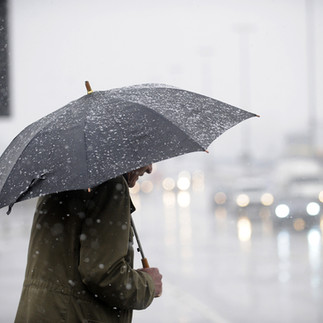


The Umbrella Principle
An umbrella serves a singular, transactional purpose: protection from the storm. We reach for it in desperation, grip it tightly, depend on it completely. During those moments of downpour, the umbrella is irreplaceable our most valued companion. We wouldn’t dream of abandoning it mid-storm.
But what happens when the sky clears?
The umbrella finds itself leaning against a wall, forgotten. Unused. Inconvenient to carry. And so it remains until the next storm, if it’s remembered at all. Often, it’s simply replaced with a newer model, or discarded entirely because the crisis has passed and the loyalty it provided is no longer useful.
This isn’t cruelty. It’s not malice. It’s something far more common:”conditional loyalty masquerading as genuine care.”
The Architecture of Transactional Loyalty
We live in an age that has elevated transactional relationships to an art form. Loyalty is no longer measured by character but by utility. By what you can provide. By what value you extract.
Consider the employee who receives years of dedication, only to be let go in a quarterly restructure. Or the customer whose loyalty is rewarded with price increases and degraded service the moment they’ve stopped shopping around. The friend who vanishes when you’re no longer useful when you’re not fun, not successful, not advantageous.
The umbrella doesn’t judge. It simply accepts its role: protection during crisis, abandonment during peace. And perhaps that’s the real tragedy, we’ve trained ourselves to accept this framework. To expect it. To participate in it.
We’ve all been the umbrella. And we’ve all been the person who discards it.
The Question Nobody Wants to Ask
Here’s what makes this uncomfortable: most of what we call “loyalty” is actually nothing of the sort.
True loyalty is tested not during the storm, but after. It’s proven in the aftermath, when benefits dry up and inconvenience sets in. It’s the umbrella that’s cared for, dried, stored properly, not because it’s needed tomorrow, but because it was trusted today. It’s the person who remembers you when you can no longer offer anything in return.
But this kind of loyalty is rare. Increasingly rare. Because it’s inefficient. It doesn’t scale. It can’t be monetised.
We live in an economy both financial and emotional built on exchange. You give. You get. The moment the exchange becomes unfavorable, the relationship terminates. Not explicitly, usually. But unmistakably.
The umbrella knows this better than anyone.
What We Lose
When we embrace the umbrella principle, when we normalise the idea that loyalty ends when benefits stop, we lose something essential. Not just in our relationships, but in ourselves.
We lose the capacity for grace. For commitment beyond utility. For standing by someone when there’s nothing in it for us.
We become efficient. Optimised . Ruthlessly practical. And lonelier than we’ve ever been.
Think about the people who have mattered most in your life. The ones who showed up during and after the storm. The ones who didn’t disappear when you could no longer reciprocate their efforts. You probably remember them not as transactions, but as anchors. As proof that loyalty exists beyond the exchange principle.
These people are your exceptions. Which means they’re rare enough to be remarkable.
The Invitation to Be Different
There’s a choice embedded in this metaphor, waiting to be noticed. We don’t have to live by the umbrella principle. We don’t have to accept that loyalty is conditional, that relationships are transactional, that we should be discarded once we’ve served our purpose.
But choosing otherwise requires something costly: intention. Consciousness. The willingness to commit to people and principles even when the storm has passed.
It means:
- Remembering people when they’re no longer useful
- Offering loyalty that isn’t tied to what you receive
- Being the umbrella that’s cared for, not discarded
- And being the person who cares for umbrellas, even in fair weather
It means asking yourself: Am I someone’s umbrella? And if so, what does that say about where they’ll leave me when the rain stops?
The Storm Will Always Pass
Here’s the paradox: storms always pass. That’s their nature. Crises resolve. Usefulness ends. And every umbrella eventually becomes unnecessary.
But people aren’t umbrellas. We’re not tools designed for a single function. We’re complex, irreplaceable, deserving of loyalty that extends beyond utility. And when we treat people like umbrellas useful during crises, discardable after, we diminish not just them, but ourselves.
The storm passes. That’s certain. But the person who stood with you through it, and stays beside you after, becomes something rarer than shelter.
They become a reminder that loyalty exists beyond the rain.

“The umbrella doesn’t ask to be remembered. It accepts its fate. But we don’t have to. We can choose to be different, in how we treat others, and in how we allow ourselves to be treated.”



Comments